Task observation: whatever you do, not an audit

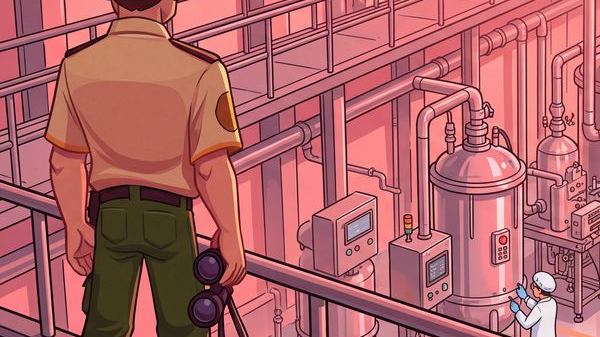
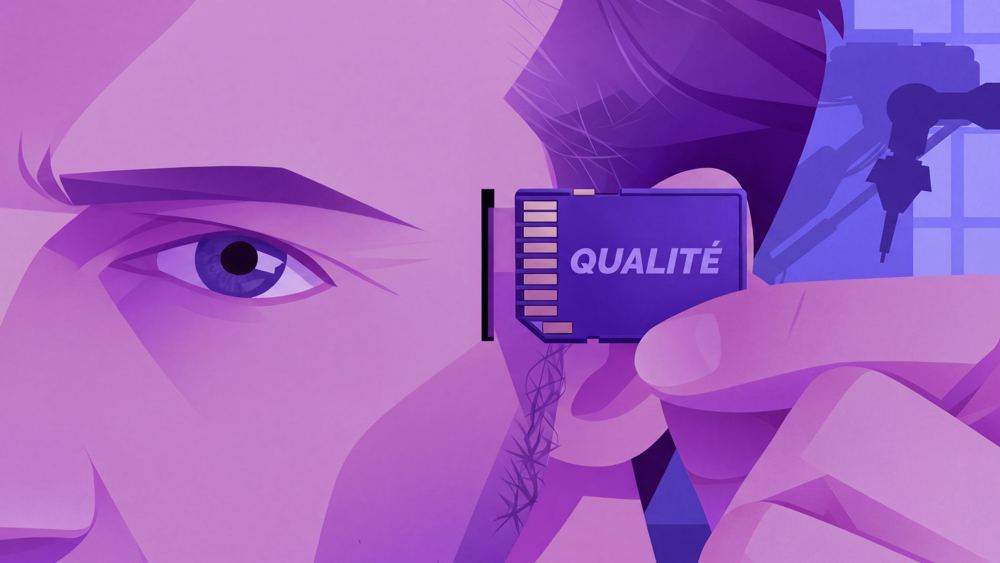
Everyone has heard of task observation. It can’t be that complicated, it’s all in the name: you observe a task. And yet it’s one of the most misused tools in Quality.
Why observe
Between work as prescribed, the work described in procedures, and work as done, there is always a gap. It isn’t necessarily bad: it often reveals an unsuitable procedure, a badly placed tool, a constraint nobody had anticipated. Task observation lets you see this gap, understand it, and improve the process before it produces a deviation.
It’s also the simplest way to increase and structure Quality’s presence on the shop floor.
What it isn’t: an audit
If observation is used to catch people out, it fails. The operator being observed will do exactly what is written, for the duration of the observation, and you’ll have learned nothing. Worse, trust will be damaged for a long time.
A good observation remains mostly informal, focused on dialogue and understanding. The resulting actions are simple and quick: they don’t go through CAPAs.
How to carry it out
Before: prepare
- Choose the task: preferably a risky or rare activity, or one that has already caused problems.
- Let the team and the person being observed know, and explain the goal: to understand, not to check.
- Re-read the procedure to know what is expected.
During: observe, then talk
- Observe without intervening, unless there is an immediate risk.
- Note the gaps, but also the good practices and shop-floor tricks.
- Then talk: “Why do you do it that way? What bothers you about this step?”
After: act quickly
- Thank the person and give feedback on what was seen.
- Deal quickly with simple improvements: a clarified document, a tool moved, a marker added.
- Share the lessons with the team.
Regularity makes the difference
A one-off observation changes nothing. Scheduled several times a month, task observations become a powerful tool for continuous improvement and quality culture. They are also used to qualify operators, then to maintain their qualification over time on the most critical tasks.
And the most valuable effect is often indirect: when the shop floor sees Quality coming to understand rather than to sanction, it starts reporting what’s wrong of its own accord.