Frequently asked questions about human error
What is human error in the pharmaceutical industry?
It’s a deviation that results directly from a person’s action: a wrong setting, a forgotten step, a poorly performed check. But human error isn’t the fault of the person who makes it: it’s the symptom of causes that can be identified and acted upon.
Why isn’t retraining operators enough?
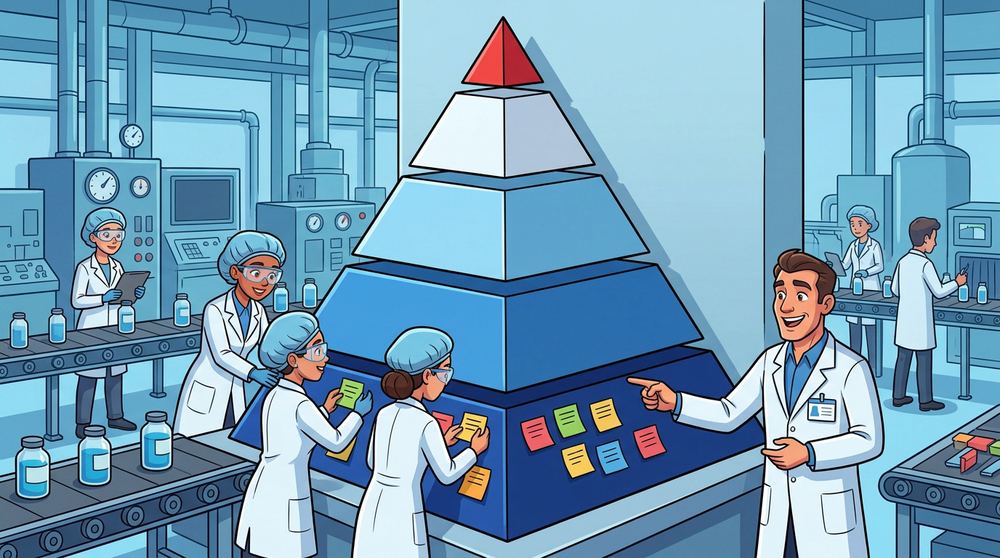
Because it doesn’t address the cause. In our benchmark, 85% of errors come back after 6 months following awareness training, a document change or an added check. As long as the documentation, training, mental load, behaviours or changes involved aren’t addressed, the error comes back.
How do you find the real cause of a human error?
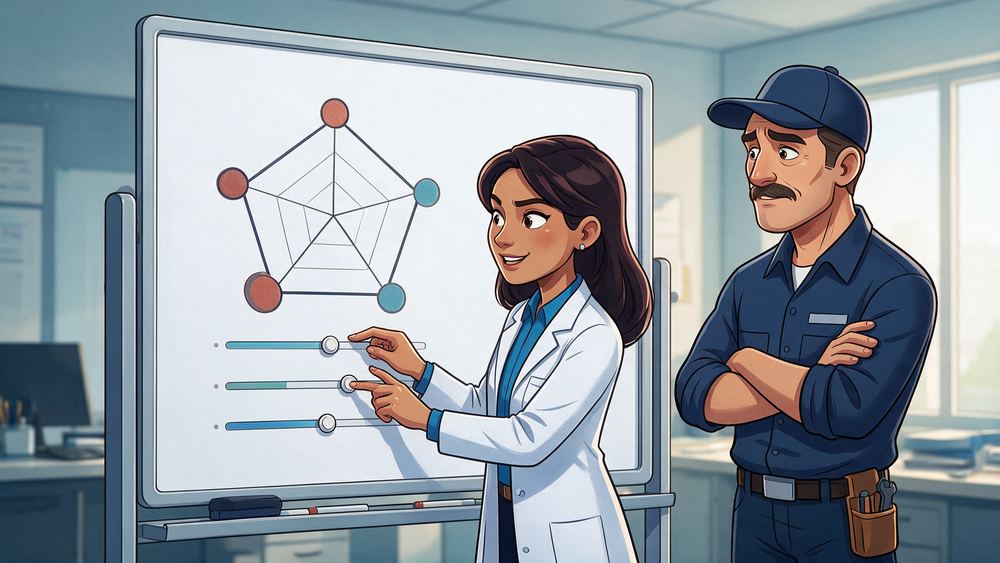
With the DTMIC Tool, which screens the error against 5 major causes: documentation, training, mental load, behaviour and change. It cross-references them with 3 influencing factors: task complexity, its frequency and the person’s experience.
What is the V.A.K. check?
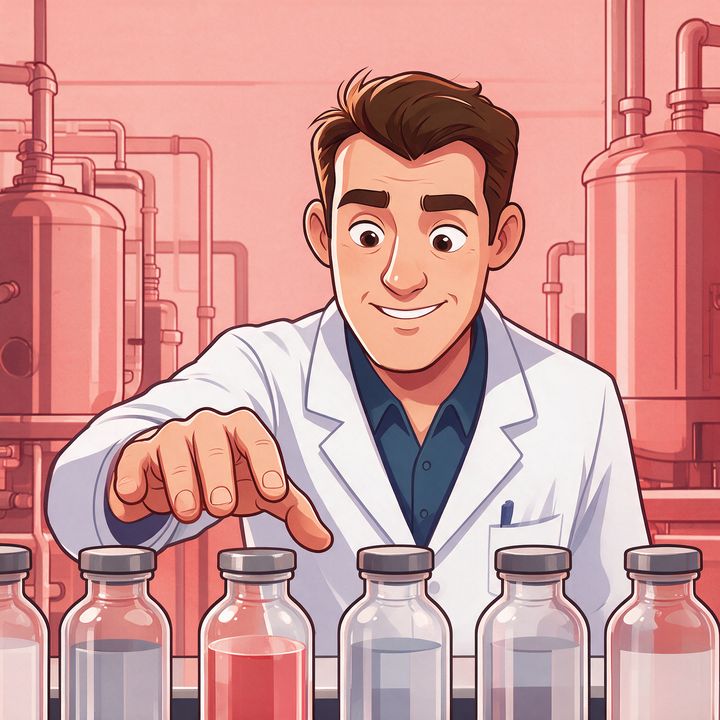
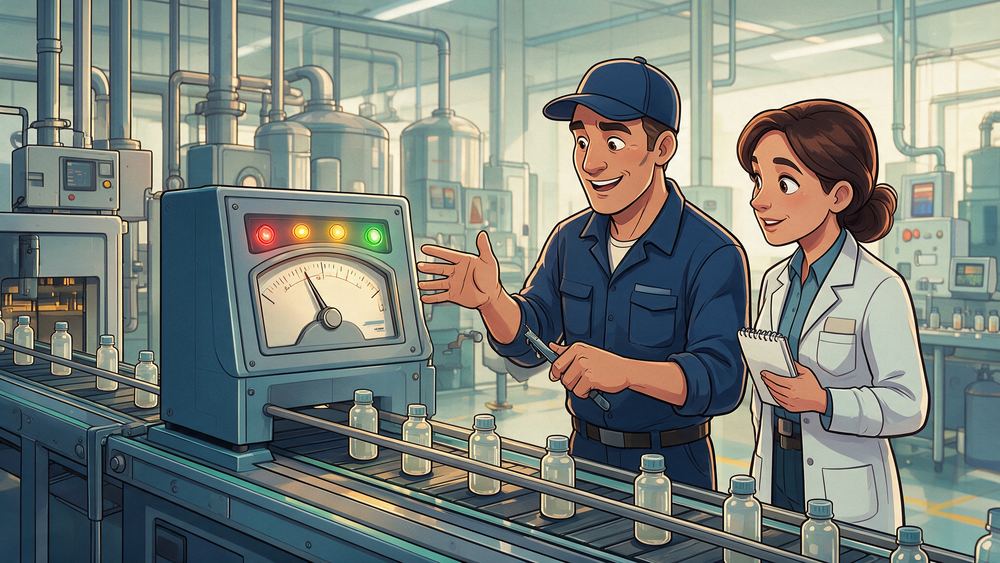
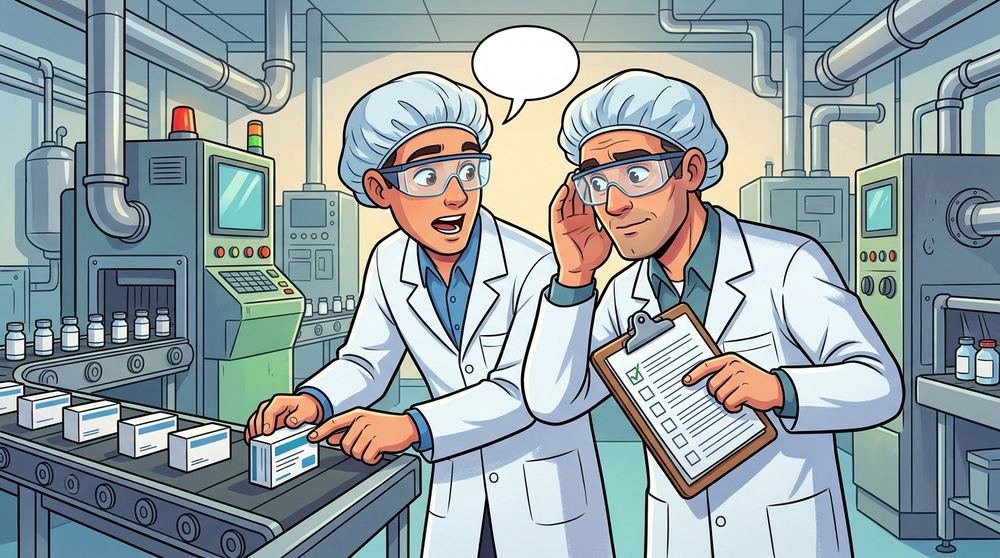
It’s a way of performing critical checks using three senses: you look at the actual item (visual), you say out loud what you read (auditory) and you point at or touch the item (kinaesthetic). Inspired by aviation and Japanese railways, it takes the operator out of autopilot: the check becomes conscious again.
What is a pre-job briefing?
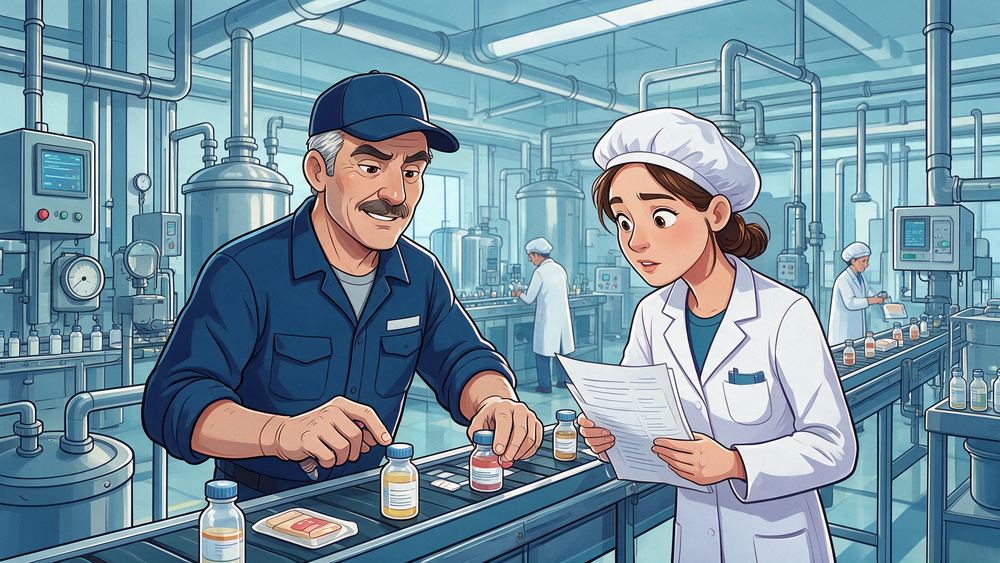
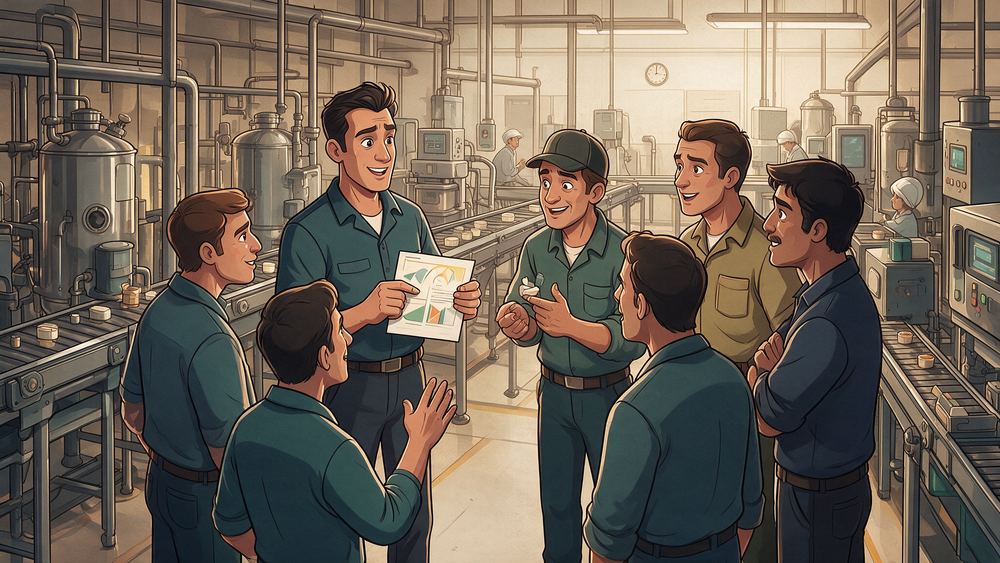
A short moment, about 5 minutes, taken by the line lead before a batch start-up, a shift change or a restart after an interruption. It goes over out loud the objective, who does what, the day’s 2 or 3 critical points, what has changed and what to do in case of doubt. It doesn’t replace the documentation: it brings out what the documentation buries among everything else.
How quickly do you see results?
The first weak signals come up within the first few weeks. On our assignments, the drop in human-error deviations can be measured over a few months of coaching, with up to −47% in one year.

 −47 %
 −46 %
 −27 %
 −76 %