FR

Quality culture expertise · HAQK method

Evolving the quality culture of your sites

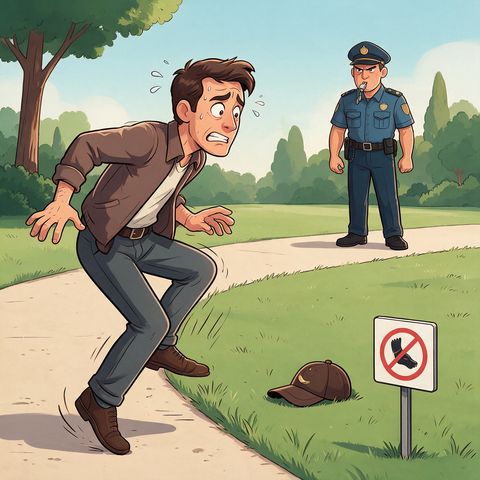
Quality experienced as a police officer, departments working in silos, a Quality team that decides out of fear, operators who apply rules without understanding them: quality culture can’t be decreed. We evolve it from leadership to the shop floor, with concrete everyday tools.

What quality culture changes, with the figures to prove it

Quality culture is hard to measure directly, but its effects are very easy to measure: international studies show it, and so do our assignments.

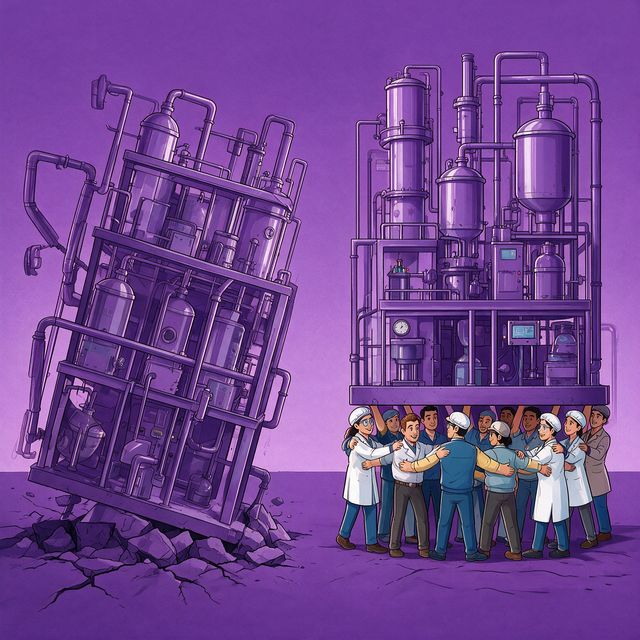
An analyst compares two factory models, one surrounded by alerts, the other solid83 sitesstudied by ISPE and McKinsey: the stronger the quality culture, the fewer repeat deviations and the more effective the CAPAs
A factory leaning on cracked foundations, another carried by its teams350+ sitesanalysed by the University of St. Gallen: a significant link between quality culture and quality system effectiveness
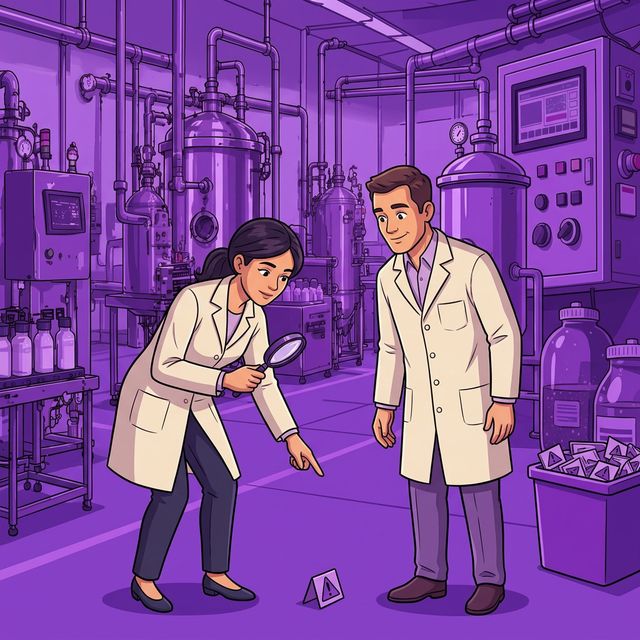
An operator spots a small warning signal on the floor, magnifying glass in hand−47 %human-error deviations in one year, with our proactive culture tools
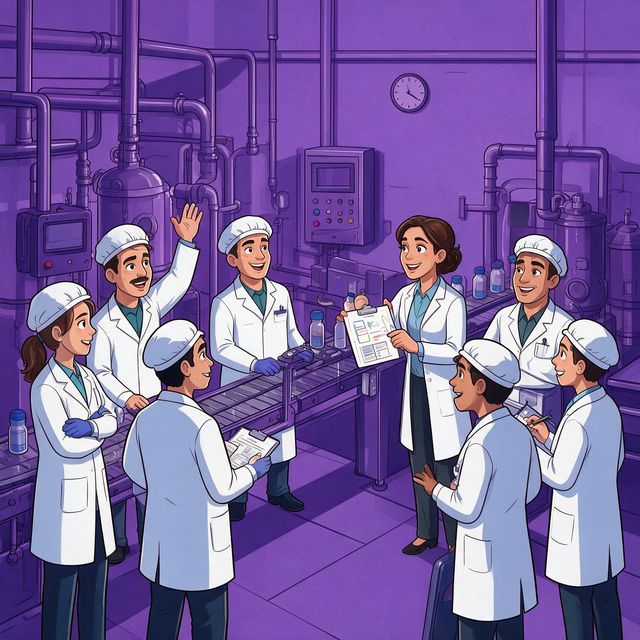
A manager leads a short quality discussion with her team−46 %human errors across two production units, driven by front-line managers

Sources: ISPE, Quality Metrics pilot programme, waves 1 and 2 (2015–2016), carried out with McKinsey & Company; University of St. Gallen, OPEX benchmarking database of pharmaceutical production sites. The last two figures were measured on our assignments, with weak signals, task observations and 15 minutes for Quality.

Changing the quality culture doesn’t mean changing the site director’s vision.It means showing how Quality will help achieve that vision.

Quality, a story of problems. Every day, we talk about quality problems and their costs, rarely about their benefits. The result: everyone sees Quality as the police officer, protecting patients for some and holding things back for others.

Do you recognise your quality culture?

  • A misalignment between Quality teams and other departments.
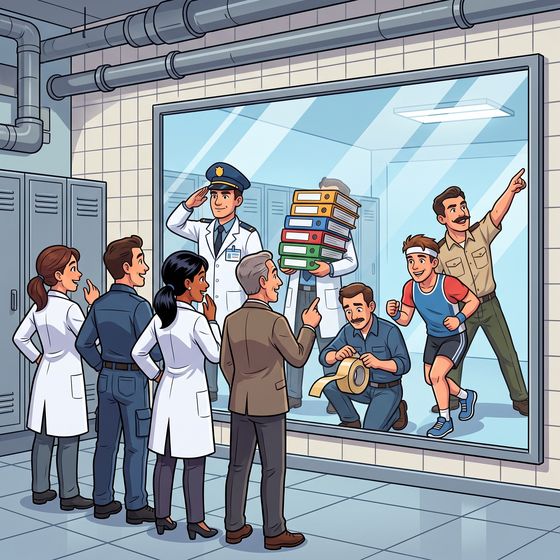
  • Departments working in silos, with conflicting objectives.
  • Over-Quality on paper, which ends up producing under-Quality on the shop floor.
  • A Quality team that decides in a rush, or out of fear of inspection.
  • GMP applied without being understood, or even worked around.
  • Quality that reacts to problems instead of anticipating them.

The quality culture curve

Every site, and every population within the same site, sits somewhere on this curve. The goal: move everyone towards a Quality that anticipates.

1EndureQuality is an imposed constraint: rules are applied without believing in them.
2DefendQuality is respected out of fear of error, rather than through understanding.
3MasterQuality is part of everyday work: we understand, analyse and learn.
4AnticipateQuality is a collective reflex that guides decisions and performance.
Reactive cultureProactive culture

The 5 Quality profiles revealed by our questionnaire

The TinkererThe TinkererEndure

Always ready to do their best, especially if it’s faster and without the rules.

The Cautious OneThe Cautious OneDefend

Follows the rule, even when it blocks everything: “it’s not me, it’s the rule”.

The EnforcerThe EnforcerDefend

“Zero nonconformities” is their creed, but buried in paperwork, they have lost touch with the shop floor.

The CompetitorThe CompetitorMaster

Knows the rules and uses them to win: Quality is a tool for efficiency.

The VisionaryThe VisionaryAnticipate

Links the rules to the site’s mission and brings others along: Quality becomes a collective driving force.

Our approach: act at every level of the site

Changing a quality culture isn’t just talk: we combine awareness with concrete tools rooted in everyday work.

Measure the quality culture
1

Measure the quality culture

A 55-question questionnaire reveals the Quality profile of each population and its confidence in the system. A necessary eye-opener before any change programme.

questionnaire5 profiles

Align leadership
2

Align leadership

A common goal for the whole leadership team, then departmental objectives consistent with it. We break the “internal supplier, internal customer” logic to tear down silos.

leadership teamcommon goal

Make Quality pragmatic
3

Make Quality pragmatic

Quality teams discover the cognitive biases that distort their decisions and learn to decide without rushing. Quality comes first from organisation and the shop floor, not from documents.

cognitive biasesICH Q9

Make the shop floor proactive
4

Make the shop floor proactive

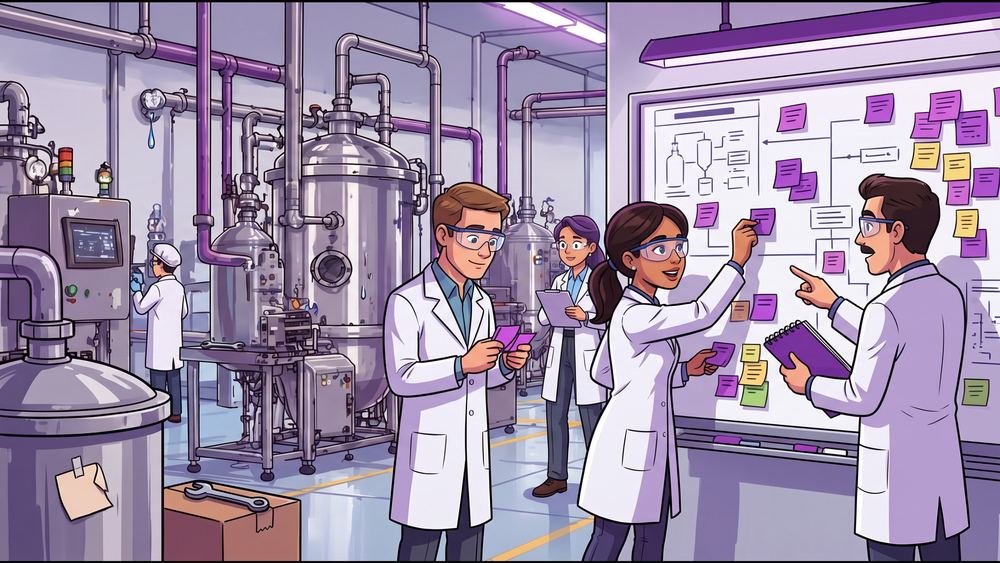
Inspired by safety culture, weak signals, task observations and 15 minutes for Quality deal with risky situations before they become deviations.

weak signals15 minutes for Quality

Bring meaning back to GMP
5

Bring meaning back to GMP

The Pharmaceutical Industry Fresk to understand, online learning paths tailored to each profile to learn, and the GMP Memory Box and GMP Gemba walks so nothing is forgotten.

FreskGMP Memory Box

Train through experience
6

Train through experience

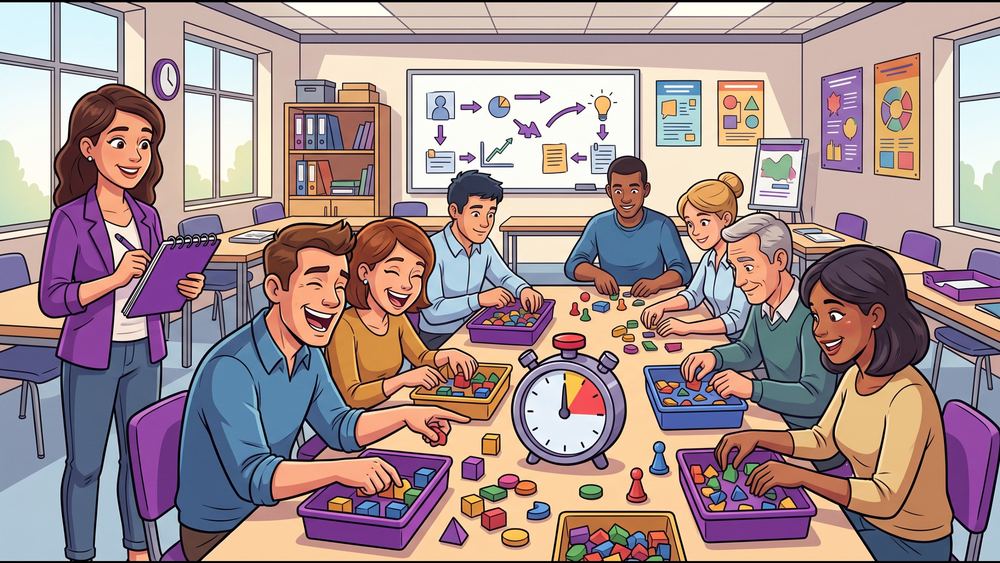
One- or two-day training courses where people experiment rather than listen: participants are deliberately led into error to understand its mechanisms, then leave with ready-to-use tools.

hands-on trainingQuality teams

Three projects, three audiences

Solid dosage site, over-the-counter products

Laying the foundations for a culture change

A weak quality culture in production and quality control, and a Quality team with little pragmatism. Assessment of the Quality vision, alignment of the leadership team, the Fresk and 15 minutes for Quality.

  • Questionnaire rolled out to all teams
  • 12 topics for 15 minutes for Quality, ready for a year
  • Certified in-house Fresk facilitators
67%of the Quality team with the “Enforcer” profile
Oral dosage site, production and packaging

One quality culture for all of production

Major deviations that revealed a lack of understanding of Quality on the shop floor. One training day per group: the Fresk, hands-on experience of error mechanisms, the V.A.K. check and pre-job briefing.

  • Manufacturing and packaging operators, and operational QA
  • A shared vocabulary around Quality
  • Tools usable the very next day
5 sessionsof training in one week
Laboratory, operational QA team

Deciding without rushing

A team of young pharmacists and Quality technicians who made decisions in a rush. Two days on cognitive biases, Quality decision reflexes and pragmatic Quality.

  • Cognitive biases experienced in real situations
  • Quality decision reflexes and tools
  • Pragmatic Quality applied to key processes
2 daysfor the whole operational QA team

See all our case studies

How an engagement works

Each step is independent, but the project always starts with an assessment of the situation.

Assess the situation
1Assess the situation

Questionnaires tailored to the site, data collection from as many employees as possible and profile analysis. About a month.

Align leadership
2Align leadership

Alignment workshop, building the common goal and departmental objectives, then facilitation of the leadership team for four months.

Support the Quality teams
3Support the Quality teams

Training and coaching for pragmatic Quality: cognitive biases, decision-making, risk management.

Roll out on the shop floor
4Roll out on the shop floor

Weak signals, task observations, 15 minutes for Quality and the Fresk, run by your managers.

Frequently asked questions about quality culture

What is the quality culture of a pharmaceutical site?

It’s the way everyone, from leadership to operators, experiences Quality day to day: as an imposed constraint, as a fear of error, or as a collective reflex that guides decisions and supports the site’s performance.

How can quality culture be measured?

With a 55-question questionnaire, tailored to the site, which reveals the Quality profile of each population (Tinkerer, Cautious One, Enforcer, Competitor, Visionary) and their confidence in the quality system. It’s the basis of any approach: you can’t change what you can’t see.

Why involve the leadership team?

Because a culture spreads from the top. If each department pursues conflicting objectives, Quality remains Quality’s business. We rework a common goal, then each department’s objectives in line with it, to break down silos.

What is pragmatic Quality?

Quality that defines ways of working that are genuinely applicable on the shop floor, while limiting risk, rather than “office” Quality that piles up documents. It relies on the risk management advocated by ICH Q9 and on rational decisions, made without rushing.

Do you offer quality culture training?

Yes: one day for operators and their supervisors, built around the Pharmaceutical Industry Fresk and a playful, hands-on exploration of error mechanisms, and two days for Quality teams, on cognitive biases, decision-making and pragmatic Quality.

How long does it take to evolve the quality culture?

The assessment takes about a month and leadership alignment a few months. The roll-out to Quality teams and the shop floor takes place over a year, with everyday tools that embed the changes for the long term.

Where does your site’s quality culture stand?

Tell us about your situation in thirty minutes. We’ll tell you which level to start with.

Tell us about your situation