FR

Quality organisation expertise · Organisation percutante

A Quality organisation aligned with your processes

Teams jumping from one topic to another, meetings piling up, the short term eating up everything else. We align your organisation with your processes: everyone knows what they own, and the team gains capacity without extra pressure.

The potential we identified

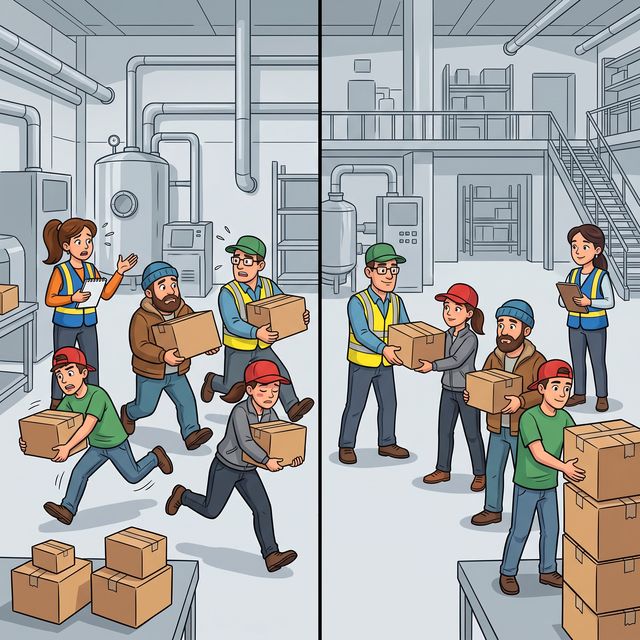
The same team, disorganised then working as a chain, delivers twice as many crates2.3 FTEof capacity freed up in a team of around twenty people, for the same work
An autonomous team in front of a task board with almost everything resolved8 out of 10day-to-day activities handled by the team itself, without waiting for another department, compared with 1 in 2 before
A team leaves an empty meeting room to go back to the workshop9 FTEthe equivalent of nine full-time people spent in meetings every week: a reservoir of capacity to recover

Potential quantified when designing new organisations: the actual gain depends on implementation at each site.

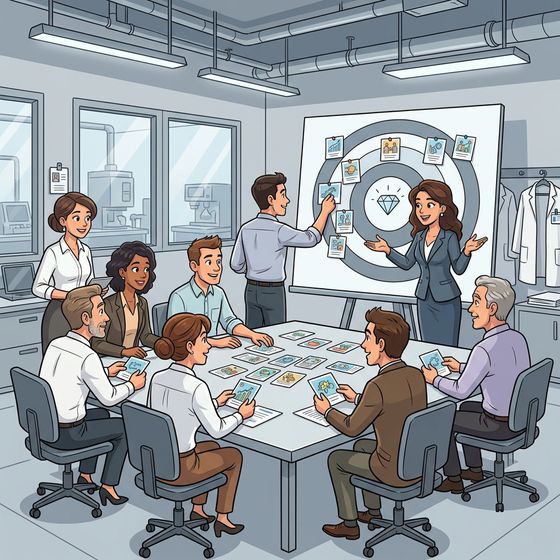
One process, one team.It’s processes that define the need for people, not the organisation chart.

An organisation only holds if it is lived. Without day-to-day execution discipline, the finest target organisation stays on paper.

Do you recognise your organisation?

  • Your teams jump from one topic to another all day, and lose time at every restart.
  • Everyone does a bit of everything, and nobody really knows who owns what.
  • Meetings pile up, information arrives too late or twice.
  • The short term always comes first, the medium term never.
  • Everyone sets their own priorities, across several processes.
  • Each department optimises its own piece, at the expense of the overall flow.

Our approach: start from processes, not the organisation chart

Map processes and activities
1

Map processes and activities

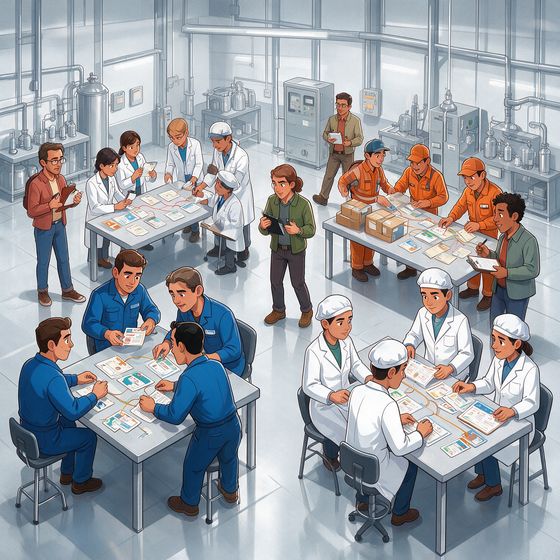
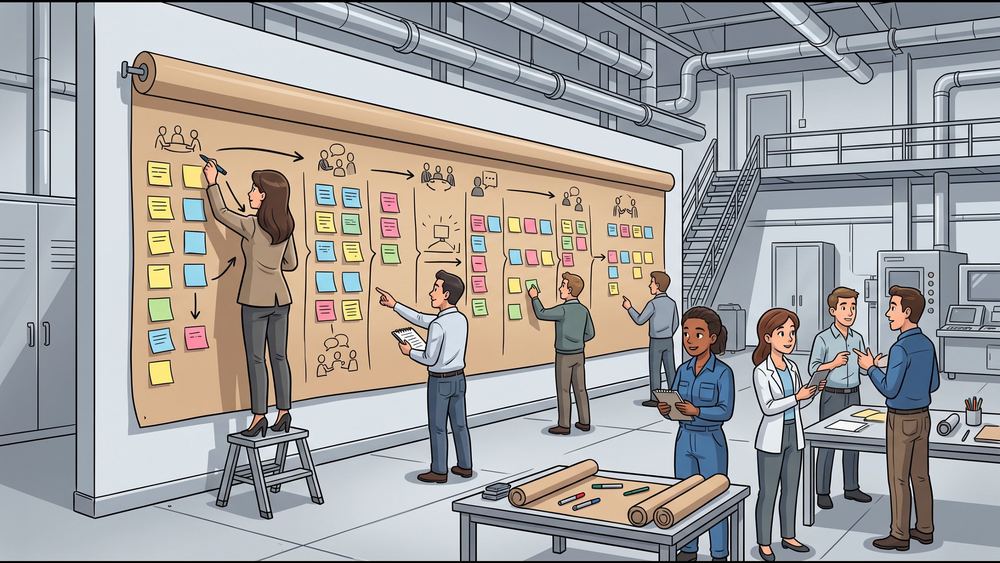
In workshops, with the teams, we draw the real processes, their steps and their deliverables, including meetings. It’s the common foundation for everything that follows.

mappingworkshops

Clarify who does what
2

Clarify who does what

For each task, a clearly identified owner and contributors. A detailed RACI reveals at a glance duplicated tasks and tasks nobody owns.

RACIroles and responsibilities
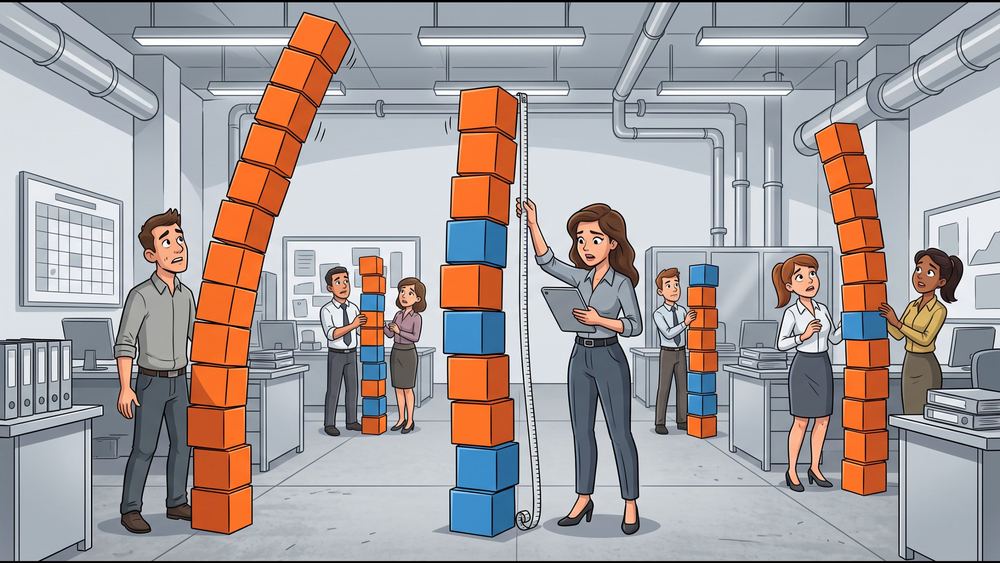
Measure the real workload
3

Measure the real workload

A workload plan per person and per process, distinguishing the short term from the medium term. It’s the processes that define the need for people, not the other way round.

workload planshort and medium term
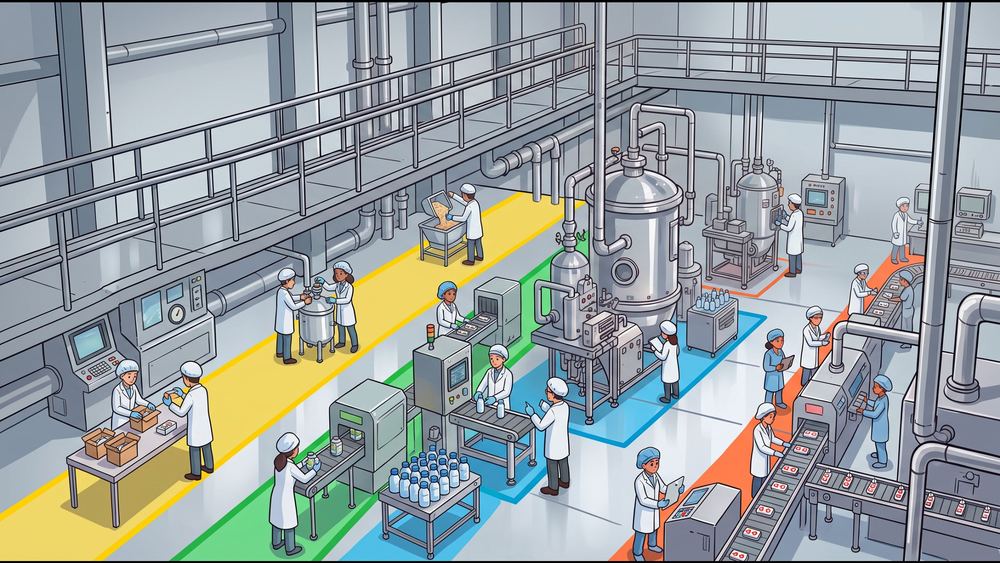
One process, one team
4

One process, one team

We organise teams around processes and separate day-to-day emergencies from the underlying work, so the medium term is no longer sacrificed.

process-based organisationguiding principles
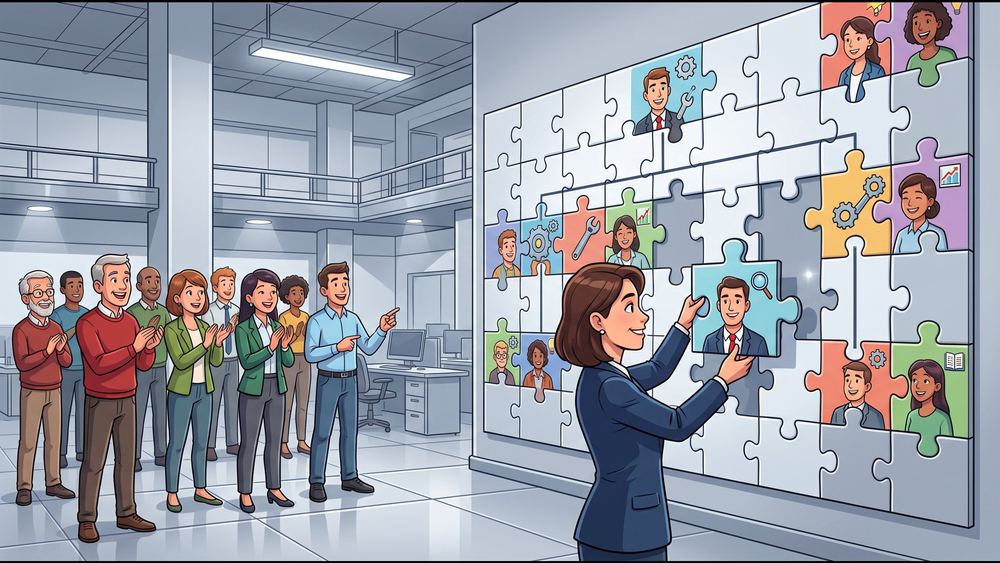
The right skills in the right place
5

The right skills in the right place

A skills matrix per target position, to put everyone where they are most useful and anticipate hard-to-fill positions.

skills matrixtarget positions

Manage and support people
6

Manage and support people

Clear management rituals, typical days and an individual roadmap for everyone: an organisation only holds if it is lived day to day.

managementchange support

Three organisation projects

Pharmaceutical chemistry site, pilot workshop

An autonomous workshop, with Quality built in

Process mapping, workload plan and skills matrix for a pilot workshop, with its Quality, engineering and safety interfaces. A target organisation presented to and approved by the leadership team.

  • More than 8 day-to-day activities out of 10 handled by the team, compared with 1 in 2
  • Short-term and medium-term positions finally separated
  • 4 workstreams launched: role of supervisors, work sheets, interventions, management
2.3 FTEof capacity freed up in the target organisation
Biotechnology site, contract manufacturing

An assessment that puts figures on gut feeling

Interviews and questionnaires with production and quality assurance, mapping of the client project life cycle, then feedback to the leadership team.

  • 86% participation from quality assurance
  • An organisation not aligned with the project life cycle
  • Clear priorities: life cycle, deliverables, skills
9 FTEspent every week in 46 meetings
Gene therapy CDMO, United Kingdom

Reviewing the organisation of a fast-growing site

An assessment in four workshops with all departments: mapping of processes and meetings, roles and responsibilities, opportunities and risks, then feedback to site leadership.

  • 20 processes and 821 activities mapped
  • 85% of quality control roles spread across more than 7 processes
  • Quality and quality control named as priorities of the new organisation
13,329responsibilities analysed, role by role

See all our case studies

How an engagement works

Frame the objectives and stakes
1Frame the objectives and stakes

A workshop with leadership to define what the organisation must enable, and what it must not break.

Map in workshops
2Map in workshops

Processes, meetings, roles and responsibilities, workload plan: the reality of how you work, built with the teams.

Build the target organisation
3Build the target organisation

Guiding principles, process-based organisation, skills and risk analysis, shared and then approved with leadership.

Roll out and support
4Roll out and support

A pilot scope, management rituals, typical days and a roadmap for everyone, until autonomy.

Frequently asked questions about quality organisation

How do we know if our Quality organisation needs reviewing?

A few signs don’t lie: people jumping from one topic to another all day, meetings piling up, tasks done by several people, and the medium term always postponed in favour of emergencies.

Why organise teams by process?

Because a person who constantly changes topic loses time at every restart, and a process shared between too many people multiplies exchanges. A team per process gains capacity, control and autonomy.

Do we need to recruit to reorganise?

Not necessarily. It’s the processes and the real workload that define the need for people. An aligned organisation often frees up capacity within the existing team, before any question of headcount.

How do you keep a reorganisation from worrying teams?

By involving them from the mapping stage, sharing the guiding principles and building an individual roadmap for everyone. A reorganisation affects people; it is prepared with them.

How long does an organisation project take?

The assessment and target organisation generally take three to four months. Roll-out then happens in stages, starting with a pilot scope.

Are your teams running without getting anywhere?

Tell us about your situation in thirty minutes. We’ll tell you where your organisation is losing capacity.

Tell us about your situation