1
Entrust the description to change owners
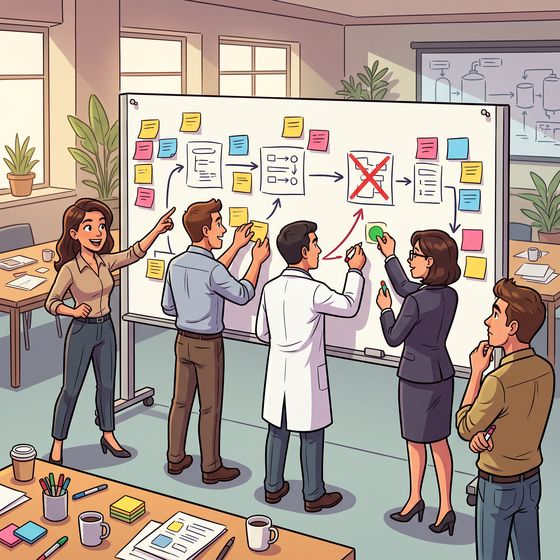
Not everyone can describe a change. Identified and coached change owners open the change controls, starting with their first files alongside us.
change ownerscoaching
2
A form that asks the right questions
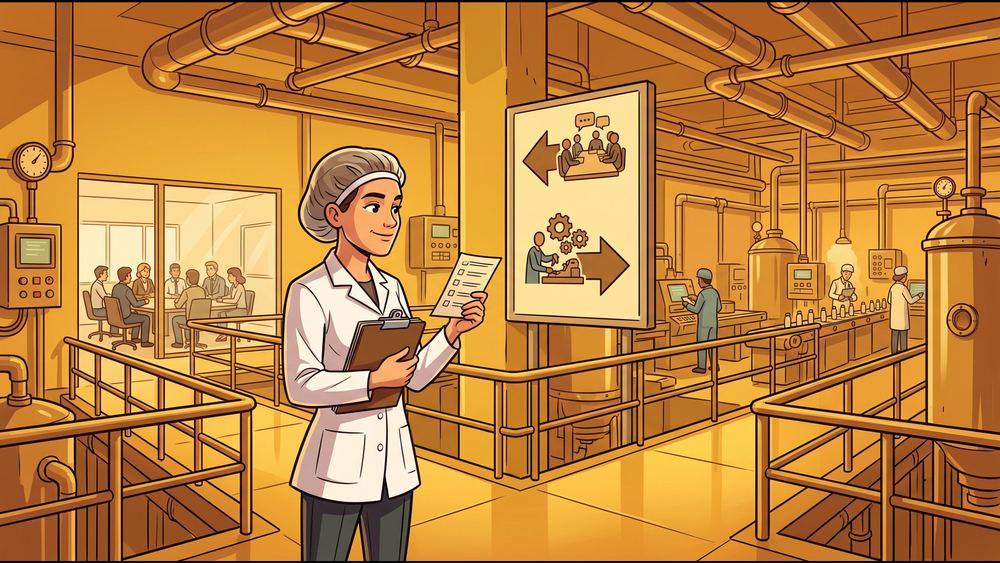
What is changing, what is affected, who to involve: an opening form and a “change or no change” decision-support tool frame the description from the start.
opening formdecision support

3
Assess in a multidisciplinary committee
Prepared through pre-reading, the committee answers three questions: what does the change affect (impacts), what must be anticipated during implementation (risks), what will it require (effort). Then it decides go or no go.
committeeimpacts, risks, effort

4
Calibrate and prioritise
The assessment sets the type of change (major, minor, or not a change) and a priority from 1 to 4 according to criticality and effort. Each file gets the treatment it deserves, and the most important goes first.
type of changepriority from 1 to 4

5
Manage through to approval
Visual management of open items and of each person’s workload plan, in regular check-ins, to unblock files before they become overdue.
visual managementworkload plan

6
Manage implementation
Blocking actions closed before implementation is authorised, synchronisation with release, communication to customers, then effectiveness review and closure.
blocking actionseffectiveness review

 −22 %
 109 out of 120
 85 %